

Picture a newspaper office in Laredo, Texas, in the 1910s. Texas Rangers arrive to shut it down. A young woman steps into the doorway and refuses to let them in. Her name was Jovita Idar, and that moment is only one chapter of a life spent fighting for her community with words, schools and medicine.
A Family of Ink
Jovita Idar was born in Laredo on September 7, 1885, one of eight children of Jovita and Nicasio Idar. Her father published La Crónica, a weekly Spanish-language newspaper, and was an advocate for Mexican American civil rights. Jovita earned a teaching certificate from Laredo’s Holding Institute in 1903 and began teaching in nearby Los Ojuelos. The poor conditions her students faced, and her inability to change them, pushed her to leave the classroom and join her brothers writing for La Crónica.
Reporting What Others Ignored
La Crónica covered what mainstream Texas papers would not: discrimination against Mexican American children in schools, worsening economic conditions, the fading of the Spanish language and Mexican culture, and the lynching of Mexican Americans.
In September 1911, the Idar family helped bring people together in Laredo for the First Mexican Congress (Primer Congreso Mexicanista) to tackle education, labor and economic injustice. Women spoke and took part, and historians have called it the first attempt in Mexican American history to organize a militant feminist movement. That same year Jovita published an article supporting women’s suffrage. In October 1911 she became the first president of the League of Mexican Women (La Liga Femenil Mexicanista), which focused on educating poor children.
A Nurse on the Front Lines
In 1913, when fighting from the Mexican Revolution reached Nuevo Laredo, Idar and her friend Leonor Villegas de Magnón crossed the border to care for the wounded. Idar then joined La Cruz Blanca (the White Cross), a medical relief group Villegas de Magnón founded, and traveled with revolutionary forces as a nurse.
The Doorway
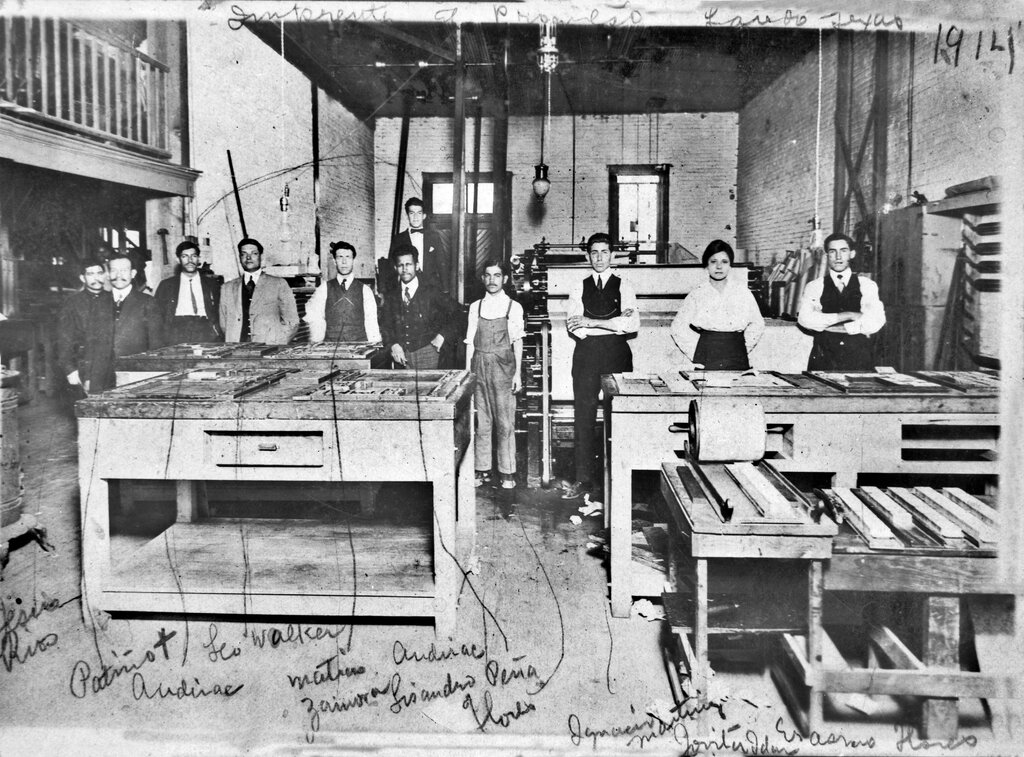
Back in Laredo, Idar joined the staff of the newspaper El Progreso and wrote an editorial protesting President Woodrow Wilson’s decision to send U.S. troops to the border. When Texas Rangers came to shut the paper down, she stood in the doorway and kept them out. That account comes from interviews with her brother Aquilino and her niece. Local newspapers from 1916 record what followed: the paper’s editor was arrested, then forced across the Rio Grande by a mob, and the office was vandalized. El Progreso did not survive, but Idar kept writing.
Kindergartens, Hospitals and a Quarter
Idar returned to La Crónica and ran it after her father’s death. In 1917 she married Bartolo Juárez and moved to San Antonio. There she worked in the Democratic Party, opened a free kindergarten, interpreted for Spanish-speaking patients at the county hospital, and edited El Heraldo Cristiano, a Methodist publication. She died on June 13, 1946.
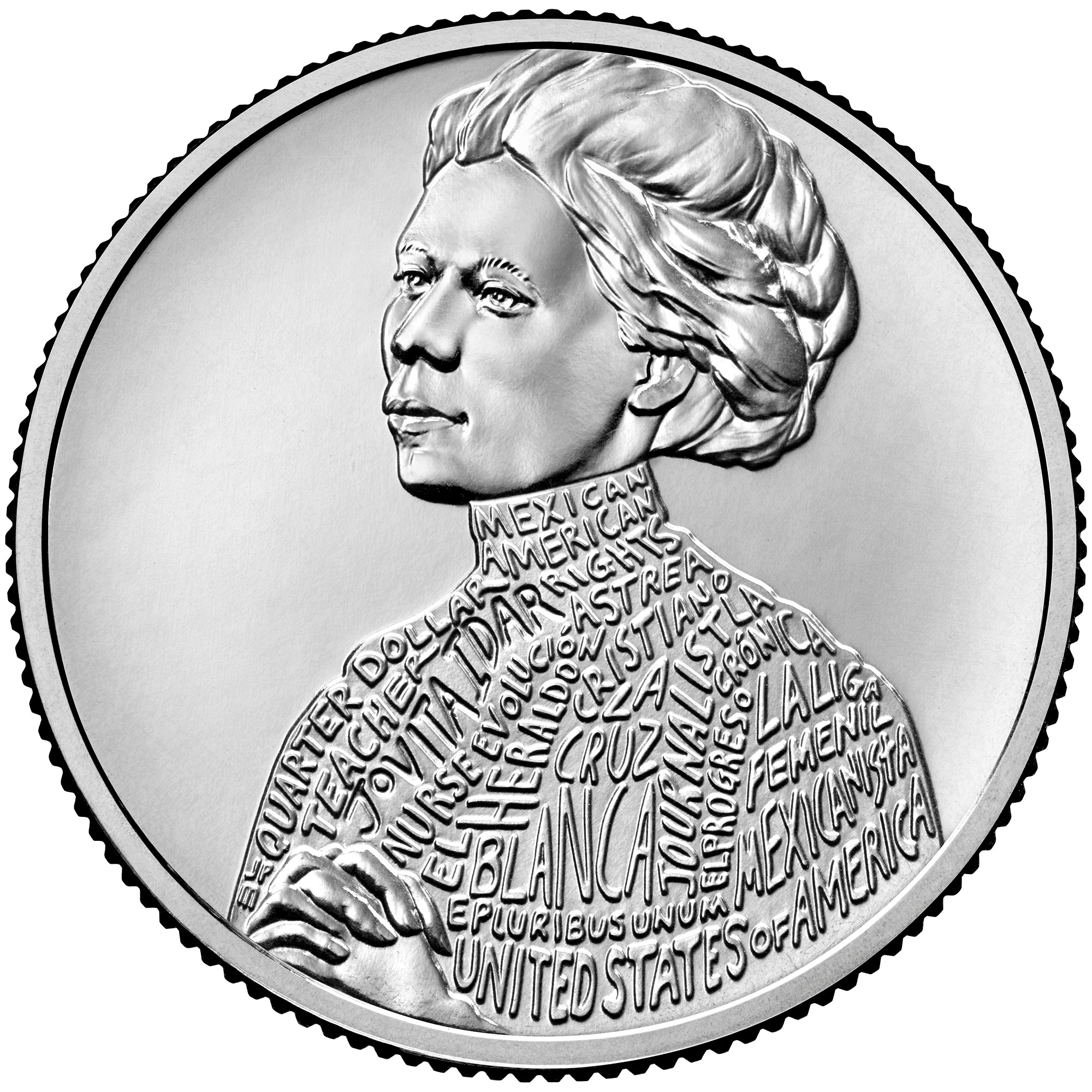
In 2023, her likeness appeared on the U.S. quarter as part of the American Women Quarters Program.
Why It Matters Today
Jovita Idar understood that a free press, education and women’s leadership protect a community. More than a century later, her fight for accurate reporting, equal schools and a voice for Latinas still speaks to anyone who has been told to stay quiet. She is often quoted as saying, “When you educate a woman, you educate a family.”
Sources
- Handbook of Texas Online, “Idar, Jovita,” Texas State Historical Association
- National Women’s History Museum, “Jovita Idar” (Kerri Lee Alexander)
- U.S. Mint, American Women Quarters Program: Jovita Idar
- Wikimedia Commons: image records and licenses
Featured image: Jovita Idar around 1905. Public domain. UTSA Libraries Special Collections, via Wikimedia Commons.