

Long before Hollywood made room for Chicano stories, Luis Valdez was staging them on the backs of flatbed trucks in the fields of California. Playwright, director, and activist, Valdez is widely called the father of Chicano theater, and his work helped turn the struggles of farmworkers and barrio youth into art that reached Broadway and movie screens across the country.
Roots in the Fields
Valdez was born on June 26, 1940, in Delano, California, to a family of Mexican American migrant farmworkers. He spent his childhood following the harvests, often changing schools as his family moved from crop to crop. A teacher’s encouragement and a love of puppets and performance pointed him toward the stage, and he went on to study at San Jose State College, where his first full-length play was produced.
El Teatro Campesino
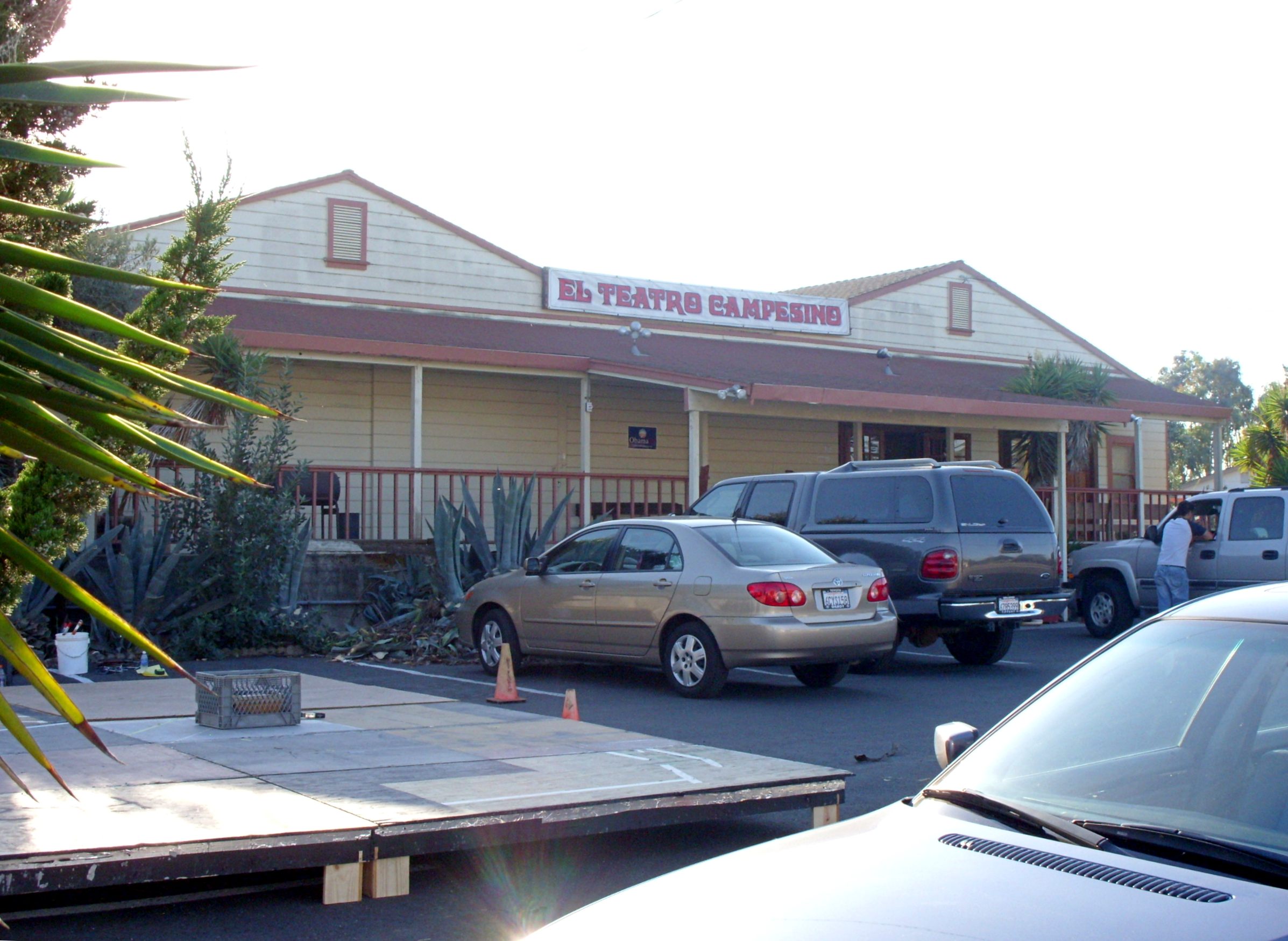
In 1965, Valdez returned to Delano as the grape strike led by César Chávez and the farmworker movement took hold. There he founded El Teatro Campesino (“The Farmworkers’ Theater”), a troupe made up largely of strikers themselves. Their short, funny, sharply political sketches, called actos, were performed on picket lines and in union halls. They explained the strike, mocked the growers, and encouraged workers to join the union. The company later settled in San Juan Bautista, California, where it continues to create work today.
Zoot Suit and Broadway
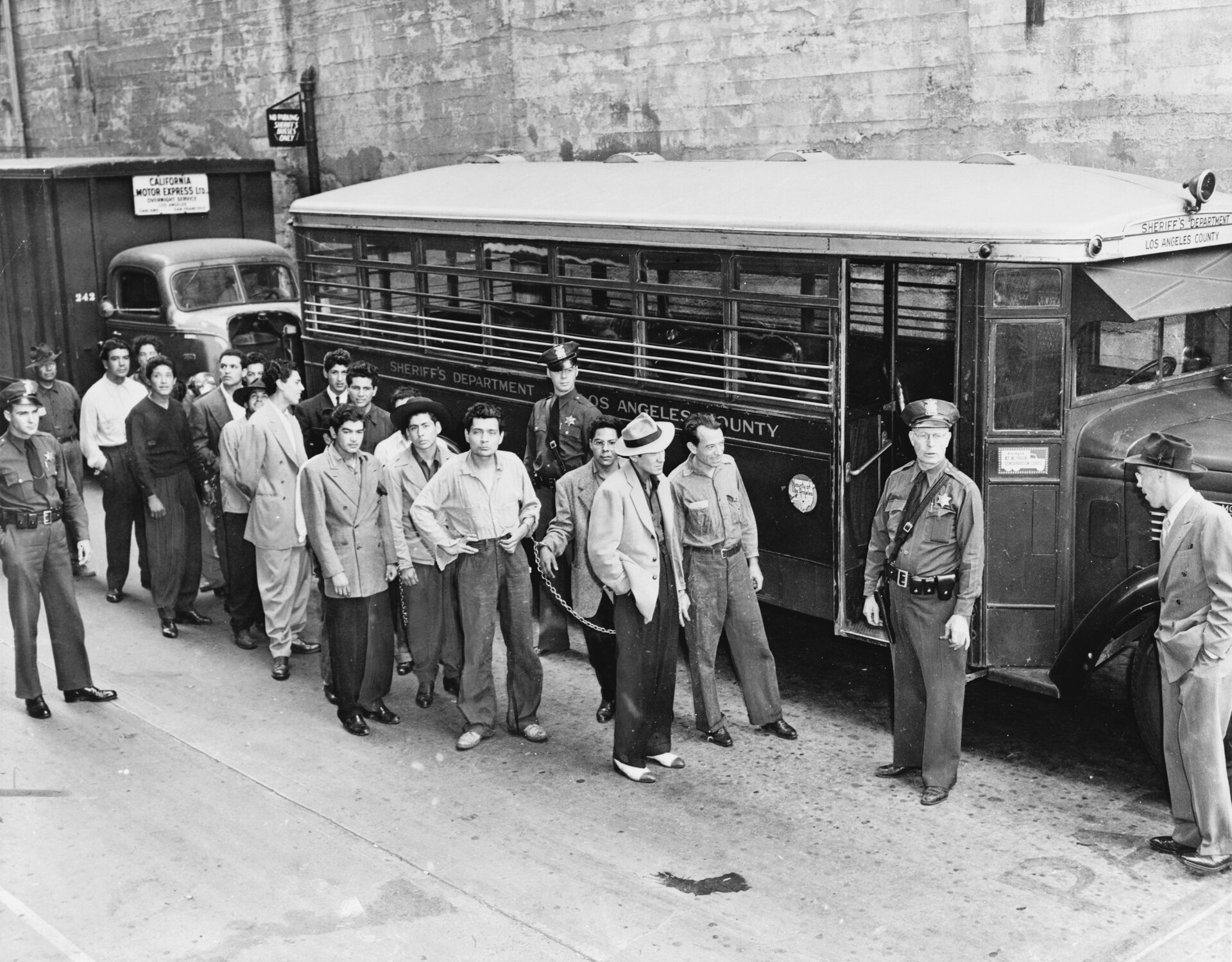
Valdez’s breakthrough came with Zoot Suit (1978), a play with music inspired by the 1942 Sleepy Lagoon murder trial and the 1943 Zoot Suit Riots in Los Angeles. Guided by the swaggering narrator El Pachuco, played by Edward James Olmos, the show broke attendance records at the Mark Taper Forum. In 1979 it became the first play by a Chicano writer to open on Broadway. Valdez also directed the 1981 film version.
La Bamba and Beyond
In 1987, Valdez wrote and directed La Bamba, the story of rock ‘n’ roll pioneer Ritchie Valens, starring Lou Diamond Phillips. The film became a box-office hit and introduced millions of viewers to a Chicano hero. Over the decades Valdez has kept writing, directing, and mentoring new artists, and in 2015 he received the National Medal of Arts for his contributions to American culture.
Why His Legacy Matters
Valdez showed that the stories of working-class Mexican Americans belonged on the biggest stages in the nation. Generations of Latino actors, writers, and filmmakers trace their start to the doors he opened, and the theater he built from a picket line is still going strong.
Watch the PBS Special
PBS’s American Masters tells his story in American Pachuco: The Legend of Luis Valdez, narrated by Edward James Olmos and featuring Lou Diamond Phillips, Cheech Marin, Linda Ronstadt, and more.